
21 Classic British Fish Dishes: Tasty Ocean Treasures From The UK

British fish dishes represent a culinary tradition deeply rooted in maritime heritage and coastal creativity.
Ocean-fresh ingredients have long defined the United Kingdom's gastronomic landscape, reflecting generations of fishing communities.
Seafood preparation techniques in Britain showcase remarkable diversity and cultural influences.
Generations of chefs have transformed simple catches into complex, flavor-packed meals that celebrate regional ingredients.
These classic recipes tell stories of coastal towns, family traditions, and centuries-old cooking methods.
Maritime communities developed unique approaches to preparing and seasoning fish, creating distinctive national cooking styles.
Each dish carries historical significance, connecting modern kitchens with ancient culinary practices.
Your appetite will be sparked by these 21 classic British fish dishes that promise delicious exploration:
Classic British Fish Dishes for Seaside Comfort
British fish dishes are the essence of coastal comfort, think flaky fish pies, battered cod, and savory kedgeree. Taste tradition and warmth with every forkful, just like a day by the sea.
Cullen Skink
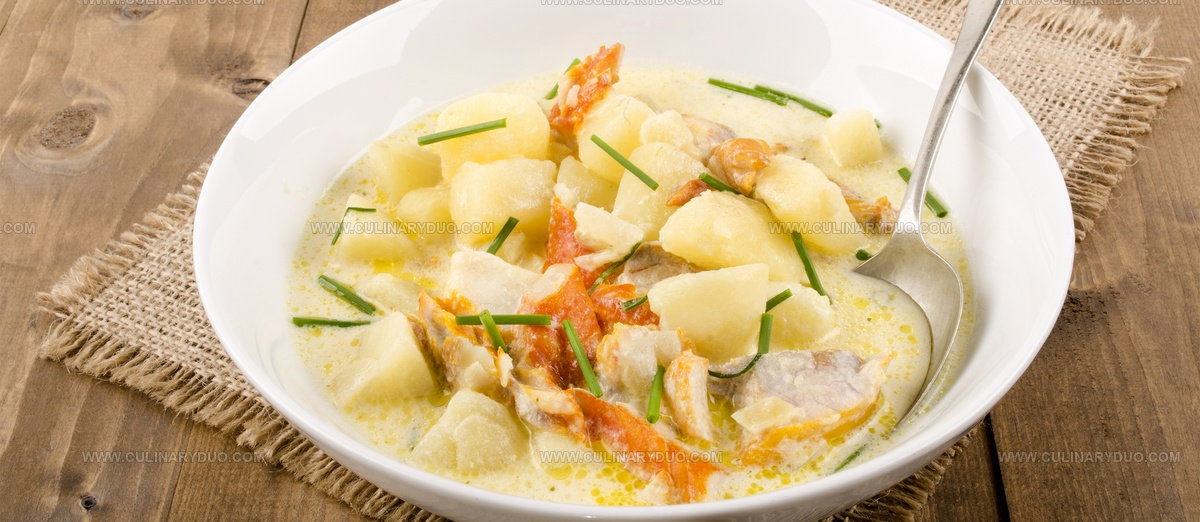
Cullen skink is a rich Scottish seafood soup originating from Northeastern Scotland's Cullen village, showcasing smoked haddock as its star ingredient.
Fishermen traditionally crafted this hearty dish using local smoked white fish like Arbroath smokies simmered with creamy milk, tender potatoes, and soft leeks.
Scottish coastal communities developed this warming soup as a nourishing meal to combat chilly weather and utilize abundant seafood.
Some modern interpretations add cream or garnish with fresh herbs for extra complexity.
Scotch whisky or dry white wine makes an excellent accompaniment to this traditional maritime dish.
Finnan Haddie
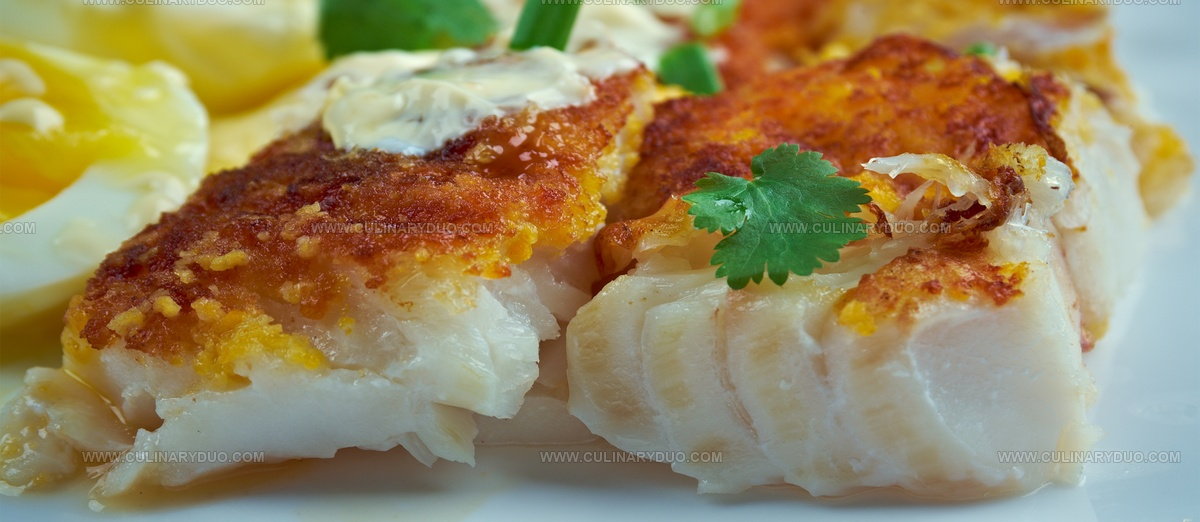
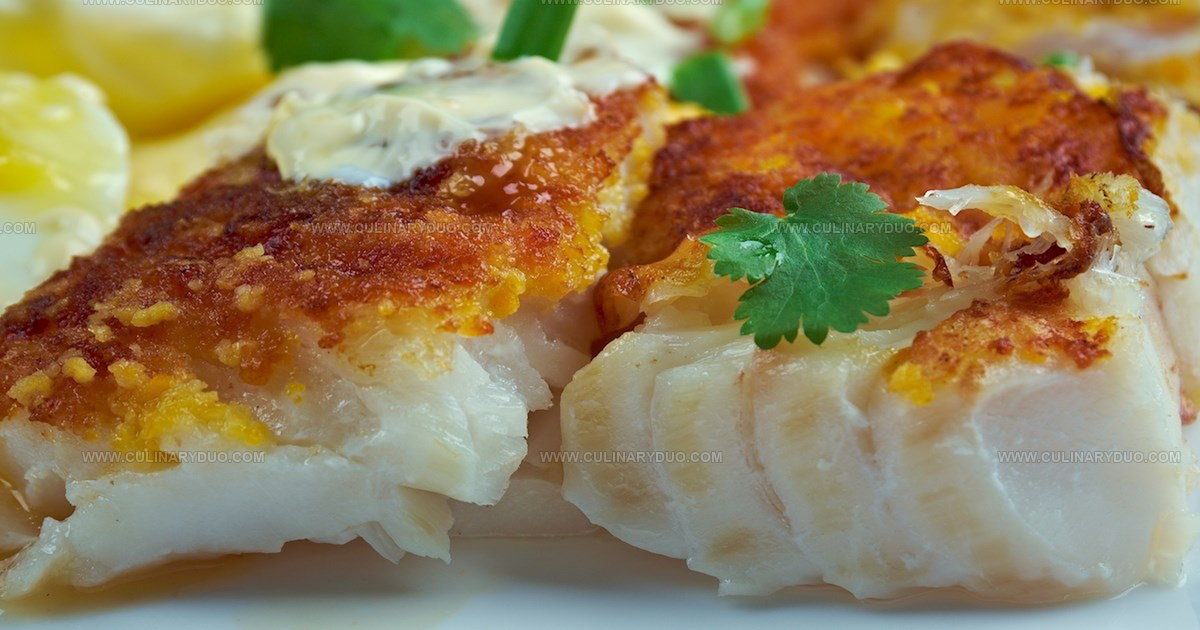
Finnan haddie is a classic Scottish seafood specialty featuring cold-smoked haddock with a distinctive flavor profile originating in Findon, Scotland during the 18th century.
Scottish fishermen developed this unique preparation method by cold-smoking fresh haddock over wood fires, creating a delicate and rich fish product.
Mild and slightly salty, the haddock transforms into a versatile ingredient suitable for multiple cooking techniques like roasting, grilling, and poaching.
Breakfast tables often showcase finnan haddie poached in milk, offering a traditional morning protein option.
Fishermen in coastal Scottish regions pioneered this smoking technique to preserve haddock for longer storage periods.
Maritime communities quickly adopted the preparation as a staple protein source with exceptional taste and preservation qualities.
Cod Fish And Chips
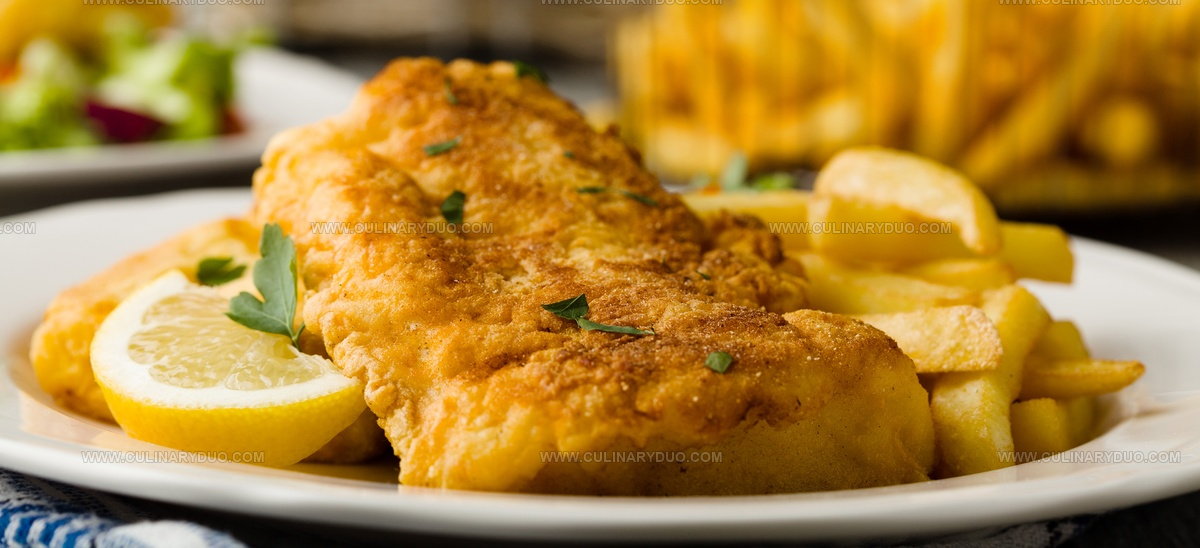
Cod fish and chips are a beloved British seafood classic featuring crispy-battered cod fillets paired with golden french fries.
Southern coastal towns like Hastings and Brighton popularized this iconic dish that combines tender cod with a crunchy exterior.
Cod's mild, supple texture perfectly complements the crisp batter, creating a satisfying contrast in each bite.
Traditional preparation involves coating fresh cod in a simple batter made from eggs, flour, and milk before deep-frying in oil or beef drippings.
Around 60% of fish and chip meals use cod as the primary fish, making it the most preferred seafood option.
Malt vinegar and salt enhance the fish's natural flavor, adding tangy and savory notes.
British pubs, seaside restaurants, and street vendors have served this dish for generations.
Simple ingredients and straightforward cooking methods make cod fish and chips a timeless comfort food enjoyed across the United Kingdom.
Fisherman’S Pie
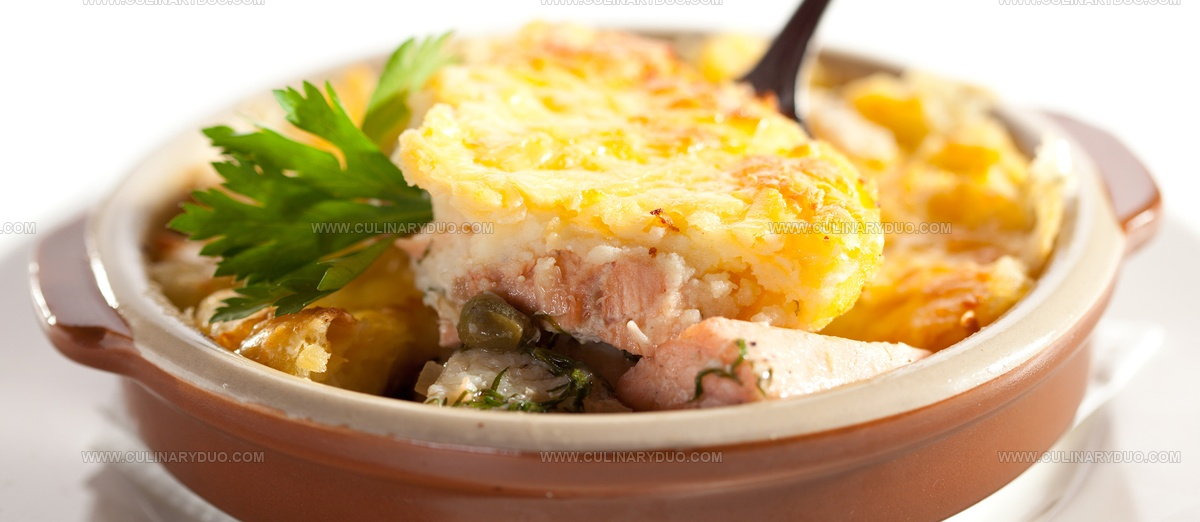
Fisherman's pie marks a beloved Irish seafood casserole combining white fish like cod or haddock with creamy sauce and vegetables.
Originating from coastal communities, this warming dish features a rich blend of seafood such as salmon or shrimp nestled beneath crispy mashed potato layers.
Bechamel or cheddar cheese sauce adds luxurious moisture to the fish mixture, which typically includes sweet peas, corn, or tender leeks.
Traditional preparation involves selecting fresh, high-quality seafood for maximum flavor.
Restaurants and home kitchens alike celebrate this simple yet satisfying seafood interpretation of traditional meat pies.
Haddock Fish And Chips
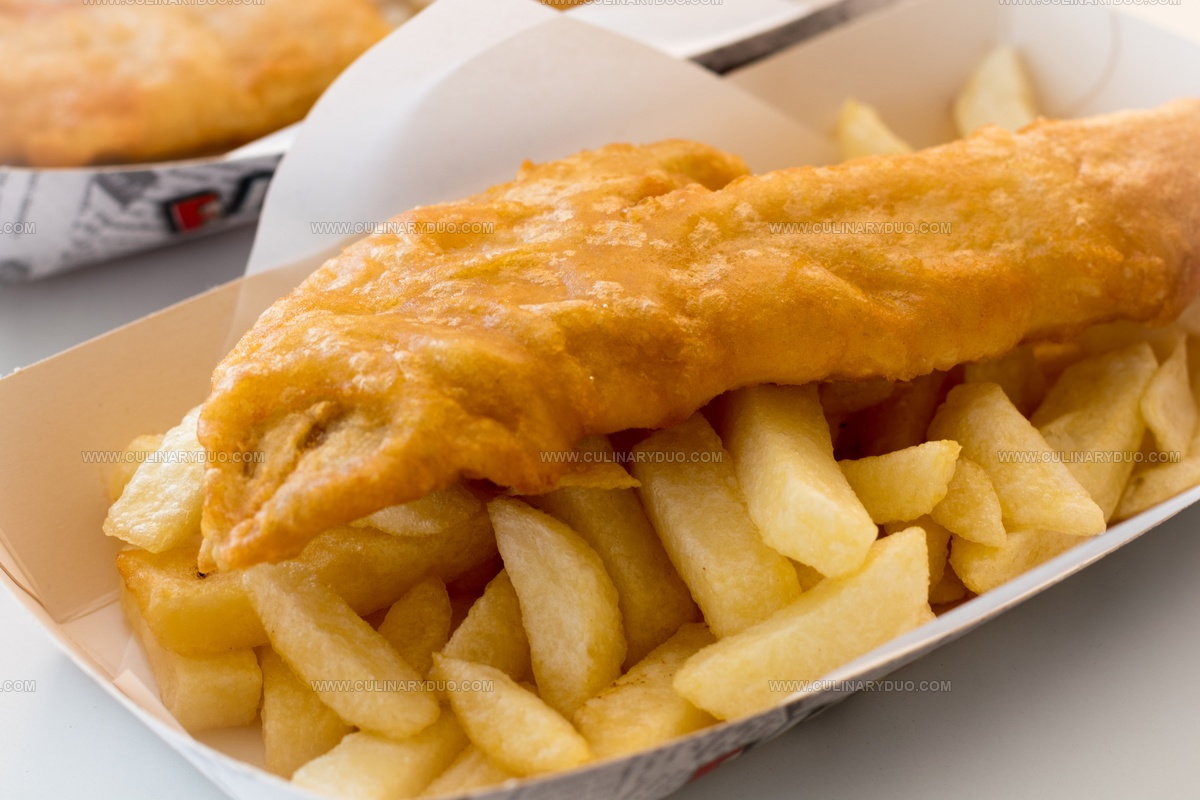
Haddock fish and chips crowns British street food with deep-fried seafood wrapped in crispy golden batter alongside thick-cut potato fries.
Originating in working-class neighborhoods of England during the mid-19th century, this iconic dish combines battered haddock with perfectly seasoned potato wedges.
Haddock offers a slightly sweeter flavor profile compared to traditional cod, featuring firmer and flakier fish meat that holds its texture during frying.
British pubs and seaside shops traditionally serve this meal wrapped in newspaper, enhancing its classic street food experience.
Restaurants across the United Kingdom prepare fish and chips using fresh regional seafood and potatoes cut thick and fried until golden brown.
Maritime communities especially treasure this dish as a staple seafood preparation that celebrates fresh ocean catches.
Fish And Chips
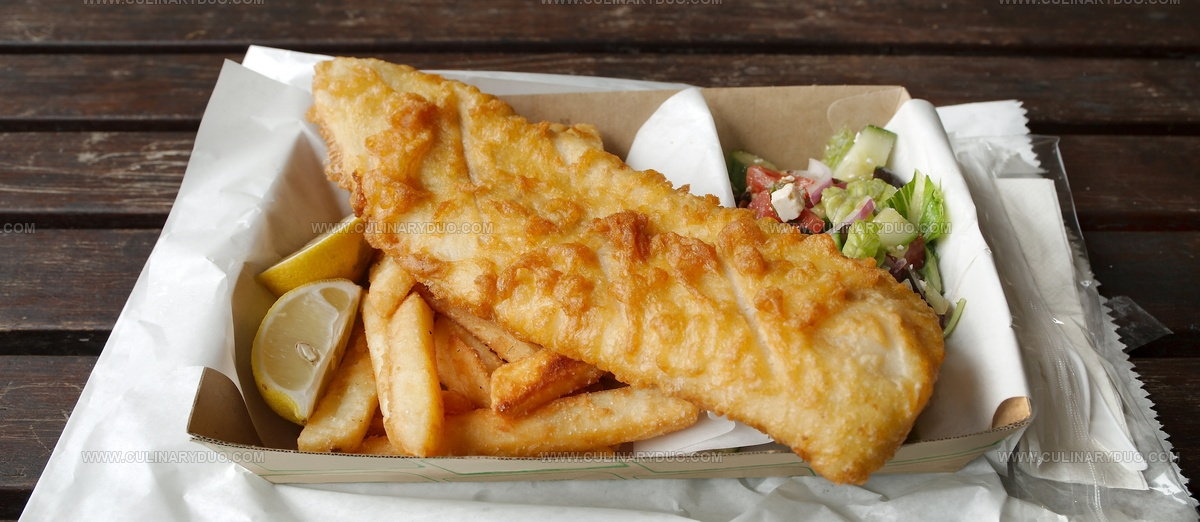
Fish and chips epitomize British street food with golden, crispy battered fish alongside perfectly fried potato strips, originating from 17th-century Jewish immigrant culinary traditions.
Cod remains the most popular fish selection, though haddock and flounder also create excellent versions of this beloved national dish.
Chefs prepare fish by coating fresh white fish fillets in a simple batter composed of eggs, milk, and flour before deep-frying in hot oil or beef drippings.
Potatoes are cut into thick strips and fried alongside the fish, creating a satisfying meal that generations of Britons have enjoyed.
Restaurants and street vendors across United Kingdom serve this classic combination, which traditionally accompanies malt vinegar and salt.
Street food culture embraced fish and chips as an affordable, quick meal during industrial revolution times.
Working-class communities particularly appreciated its hearty, filling nature.
Maritime regions like coastal England especially popularized this iconic dish through generations of seafood preparation techniques.
Kippers
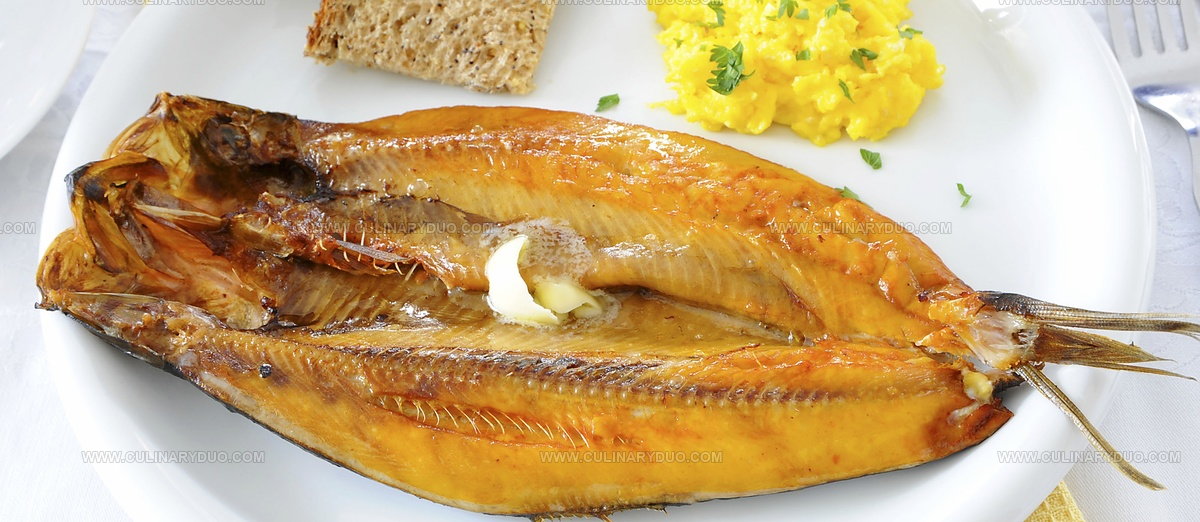
Kippers are salt-cured and cold-smoked herring fillets with a rich, intense flavor profile developed through a unique preservation method invented by John Woodger in 1843.
British breakfast tables often feature these smoky fish served alongside warm, buttered toast as a traditional morning meal.
Salt prevents spoilage while smoking concentrates the herring's natural taste and reduces moisture content.
Woodchips create a distinct smoky essence during the lengthy smoking process.
Nutritional benefits make kippers a protein-packed breakfast option.
Fishermen along British coastal regions traditionally prepared kippers as a practical way to preserve their catch.
Smoking techniques have transformed this humble fish into a beloved national breakfast staple.
Ackee And Saltfish
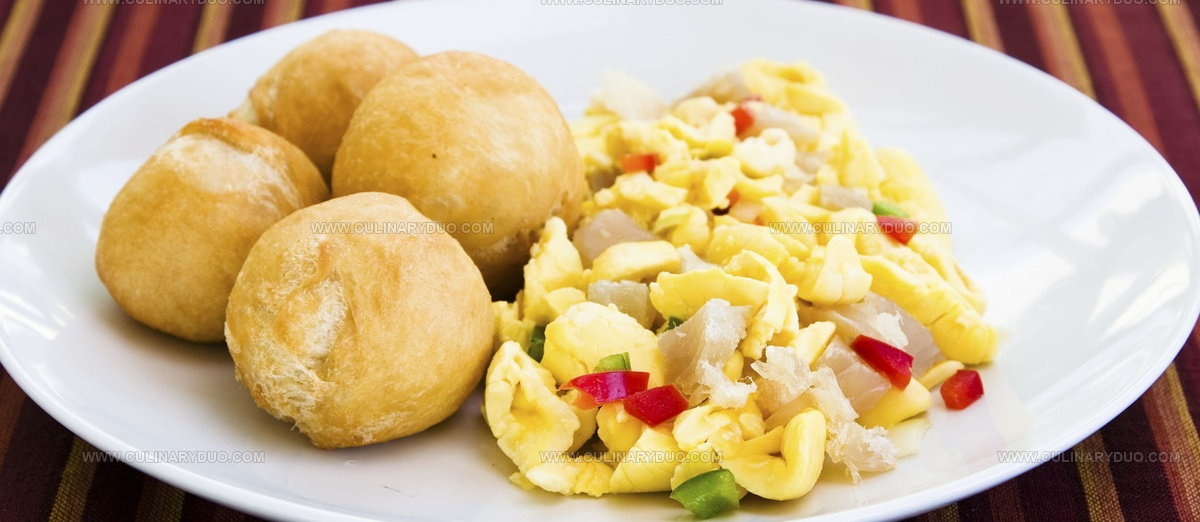
Ackee and saltfish embodies Jamaica's culinary heritage, blending West African ackee fruit with salted fish in a unique national dish.
Originating in the 18th century, this vibrant breakfast or appetizer combines carefully prepared ackee - a potentially toxic fruit that must be precisely ripened before consumption.
Jamaicans select dried cod, mahi mahi, or mackerel as the protein, creating a savory and nutritious meal.
Reddish in exterior and featuring a smooth texture, the ackee fruit reveals vivid yellow meat and characteristic black seeds when fully mature.
Traditionally served hot, the dish requires expert preparation to ensure safety and optimal flavor.
West African roots and Caribbean cooking techniques define its complex character.
Each ingredient represents a historical journey of cultural exchange.
Skilled cooks transform these simple components into a memorable gastronomic experience.
Plaice Fish And Chips
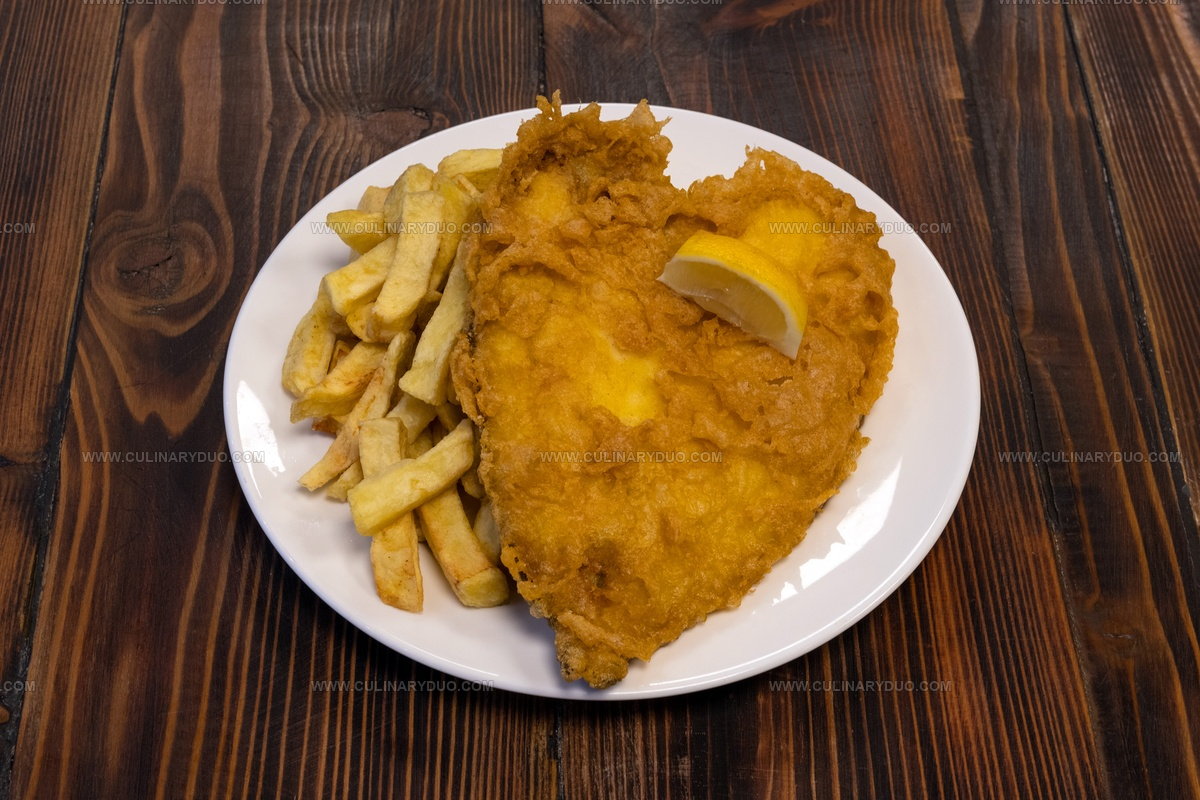
Plaice fish and chips explode with crispy golden batter surrounding delicate white fish, representing Britain's most beloved street food tradition.
Restaurants and seaside vendors across the United Kingdom feature this classic dish with fried fish fillets and crisp potato slices.
Plaice delivers a more pronounced flavor compared to standard cod, making it a gourmet alternative for seafood enthusiasts.
Chefs typically dip thin plaice fillets in a light batter made from eggs, flour, and milk before deep-frying to achieve maximum crispiness.
British diners have enjoyed this comfort meal since the late 1800s, when working-class communities popularized the combination.
Crispy exterior and tender fish interior create a perfect textural contrast that makes each bite memorable.
Traditionally served with malt vinegar and salt, the dish remains a staple of casual dining throughout Britain.
Plaice offers a slightly more distinctive taste than standard white fish, appealing to those seeking a richer seafood experience.
Skate Fish And Chips
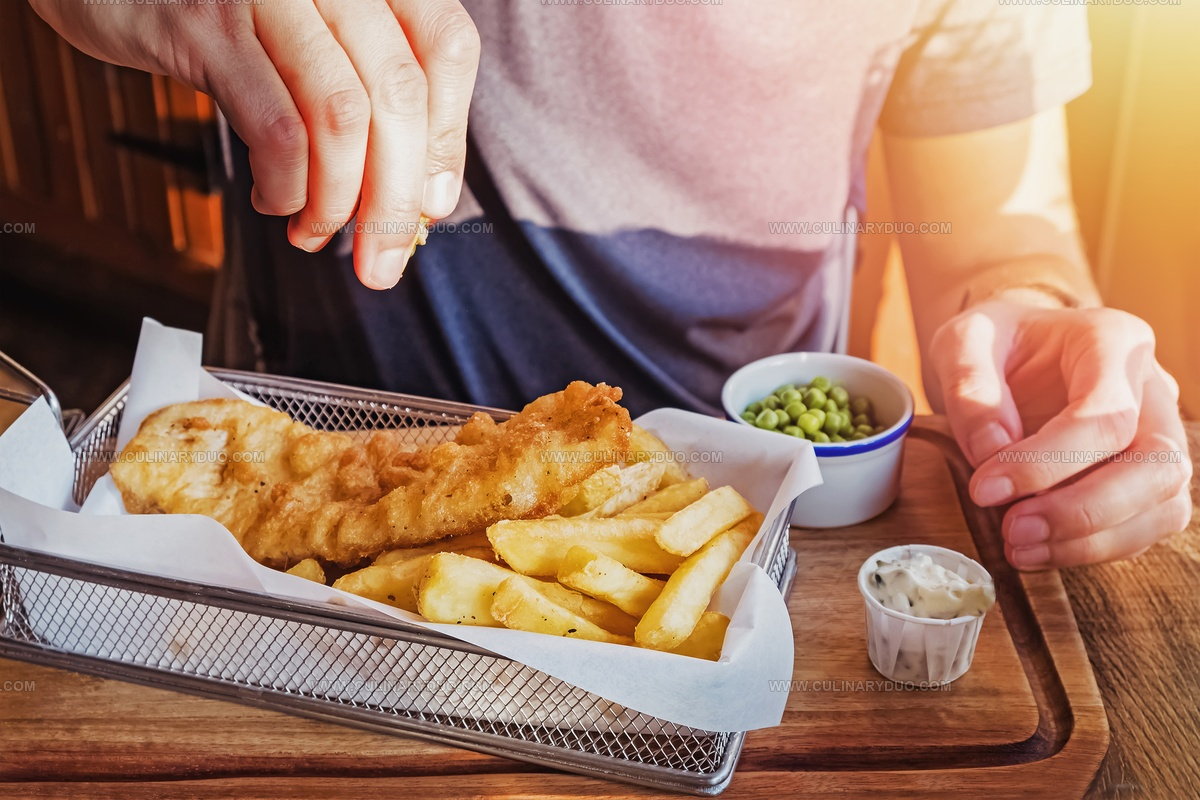
Skate fish and chips represent a classic British seafood dish featuring fried fish fillets and crispy potato slices with unique coastal origins.
Scottish west coast fish shops often feature skate as a special alternative to traditional cod in this beloved meal.
Fishers carefully extract tender meat from skate wings, which possess a mild, slightly nutty flavor that complements crispy batter perfectly.
Skilled preparation involves dipping fish in a mixture of eggs, flour, and milk before deep-frying in oil or lard.
Each skate wing contains numerous bones, requiring careful meat removal during cooking.
Tartar sauce or fresh lemon juice enhances the fish's delicate taste.
Fish selection typically includes cod, haddock, skate, and pollock, with cod remaining the most popular choice at 60% of restaurants.
British diners appreciate this traditional street food for its simple yet satisfying combination of textures and flavors.
Pollock Fish And Chips
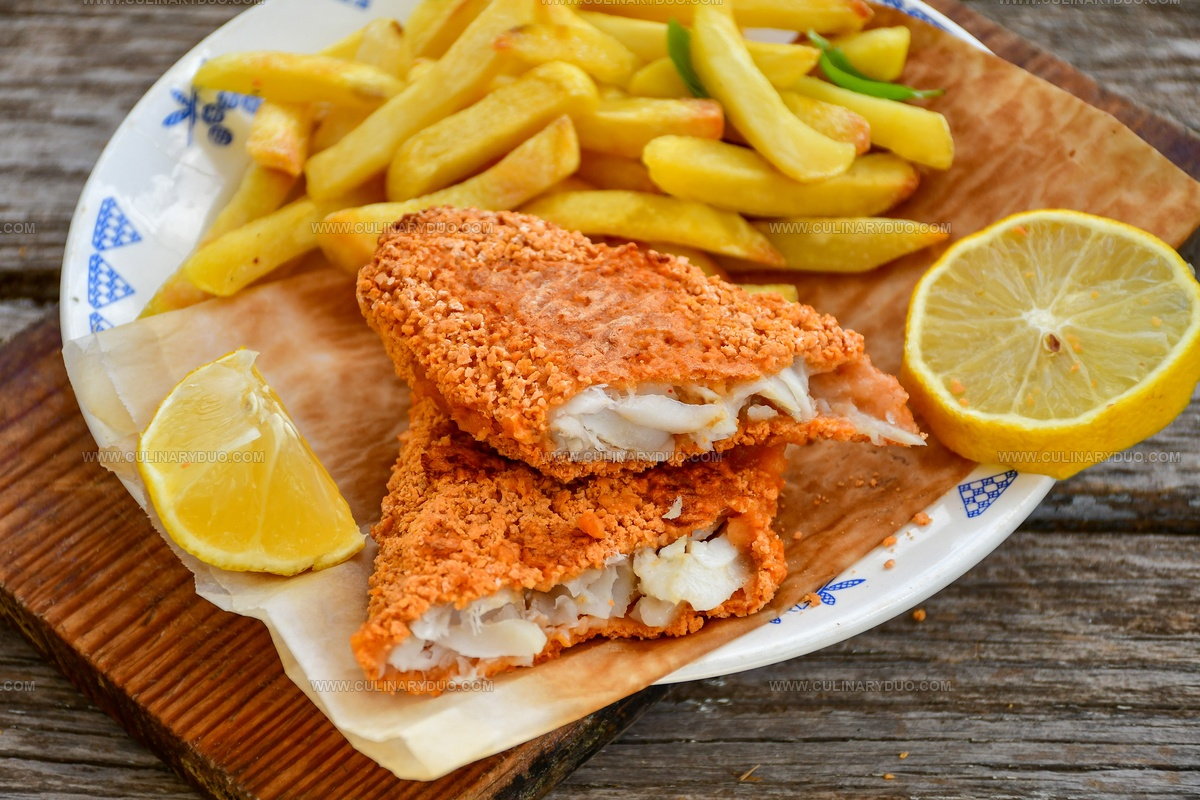
Fish and chips represent a classic British street food featuring crispy beer-battered fish served alongside golden french fries, originating in London during the mid-19th century as an affordable working-class meal.
British sailors and Jewish immigrants popularized this quick seafood dish across England, with cod being the most preferred fish variety at nearly 60% usage.
Restaurants and street vendors traditionally deep-fry fish fillets in beef drippings or vegetable oil after coating them in a light batter made from flour, eggs, and milk.
Beer can enhance the batter's crispiness and add subtle flavor complexity.
Salt and malt vinegar typically accompany the dish, creating a savory combination that remains immensely popular throughout the United Kingdom.
Modern variations include alternative fish options like haddock, pollock, and skate.
Regional differences emerge in preparation techniques and seasoning across different British communities.
Sustainability concerns now encourage chefs to select responsibly sourced fish for this iconic meal.
Jellied Eels
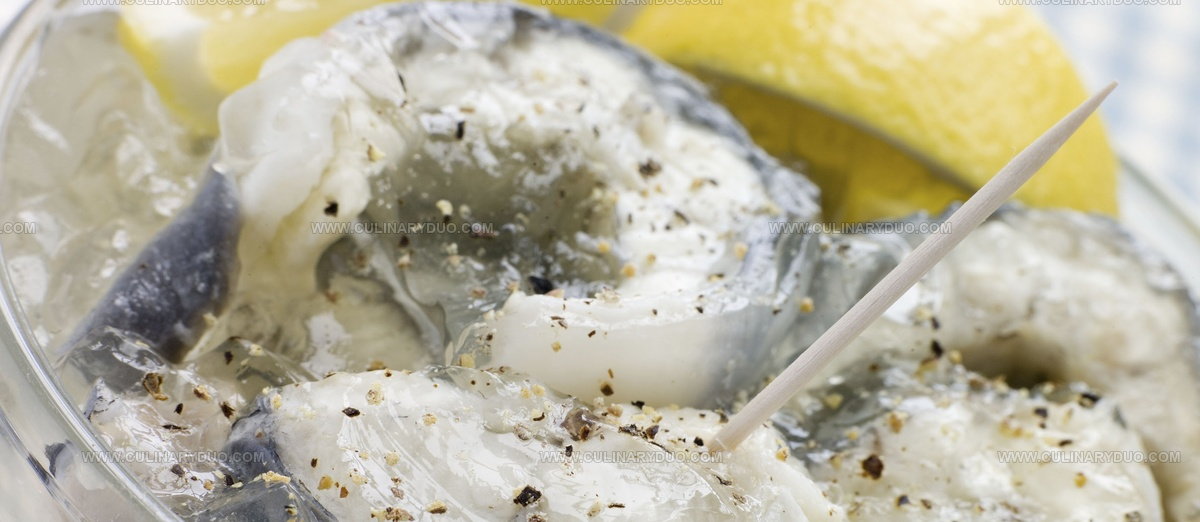
Jellied eels are a classic East London delicacy with roots in 18th-century street cuisine, featuring chopped river eels transformed into a unique dish through traditional boiling and cooling techniques.
Thames River eels provided an affordable protein source for working-class Londoners, creating a distinctive culinary tradition that survives today.
Fishmongers would carefully chop fresh eels, boil them in seasoned water for about thirty minutes, then allow them to cool naturally, producing a transparent gelatin that encases the fish pieces.
London markets and specialty shops still serve this iconic dish, often complemented by white pepper and vinegar for enhanced flavor.
Mild and slightly salty, jellied eels offer a taste reminiscent of pickled herring without strong fishy undertones.
Modern diners might find the soft, gelatinous texture unusual, though traditional East End residents consider it a beloved comfort food.
British food historians recognize jellied eels as an important part of London's gastronomic heritage.
Mackerel Bap
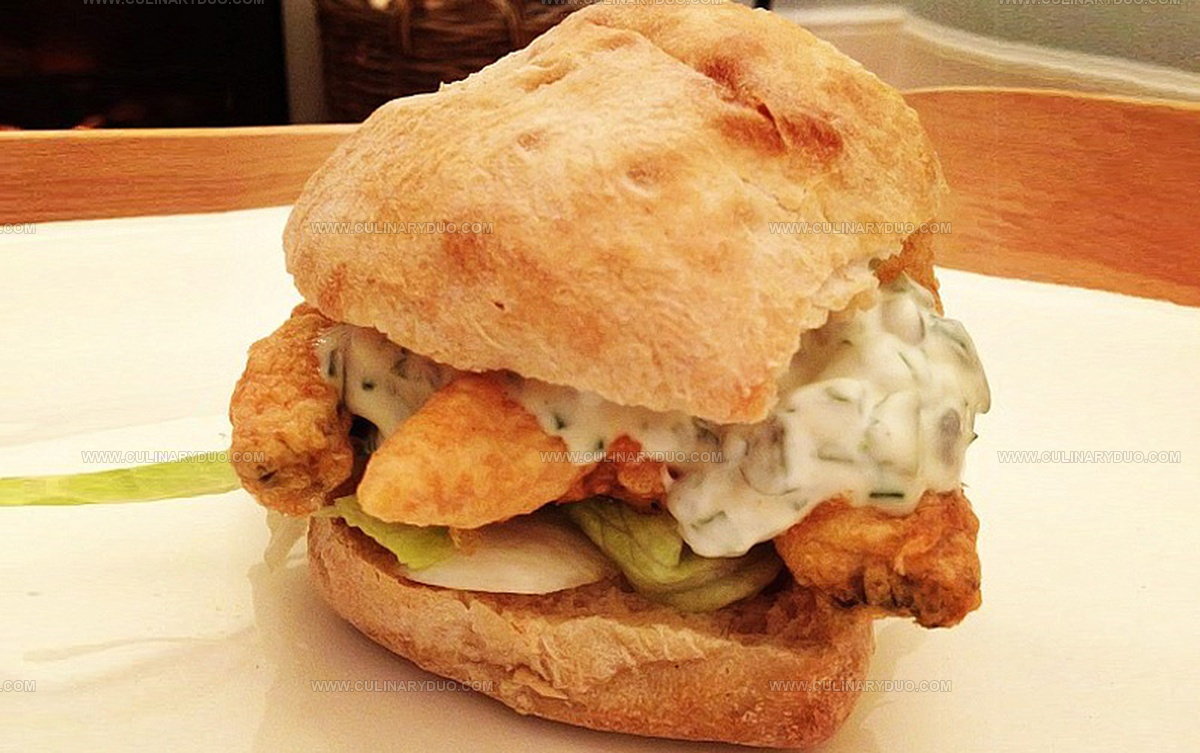
Mackerel bap is a crispy deep-fried fish sandwich born in River Cottage Canteen restaurant, featuring golden mackerel fillets nestled in a soft bread roll.
Chef Tim Maddams crafted this English specialty by coating fresh mackerel in flour and eggs before frying until perfectly crunchy.
Diners enjoy the sandwich with tangy tartare sauce or zesty lemon mayonnaise.
Marine Stewardship Council now considers mackerel unsustainable, prompting chefs to recommend alternative fish options.
Traditional preparation involves careful dredging and precise frying techniques.
Hot oil creates a crackling exterior while maintaining the fish's tender interior.
Coastal English regions originally popularized this simple yet satisfying street food.
Sustainable seafood alternatives like cod or kipper can replace mackerel in this classic sandwich.
Priddhas An’ Herrin’
Priddhas an' herrin represents a rustic seafood staple from Isle of Man featuring salt herring and potatoes as its core ingredients.
Fishermen traditionally prepared this hearty dish by boiling potatoes alongside salted herring that had been soaked overnight.
Raw onions complement the fish's rich flavor, adding a sharp contrast to the warm, soft potatoes.
Manx islanders consider this simple meal a fundamental part of their culinary heritage.
Maritime communities relied on this nutritious combination during challenging economic times.
Salt preservation methods allowed fishermen to keep herring edible for extended periods.
Minimal ingredients and uncomplicated preparation define this classic island meal.
Tweed Kettle
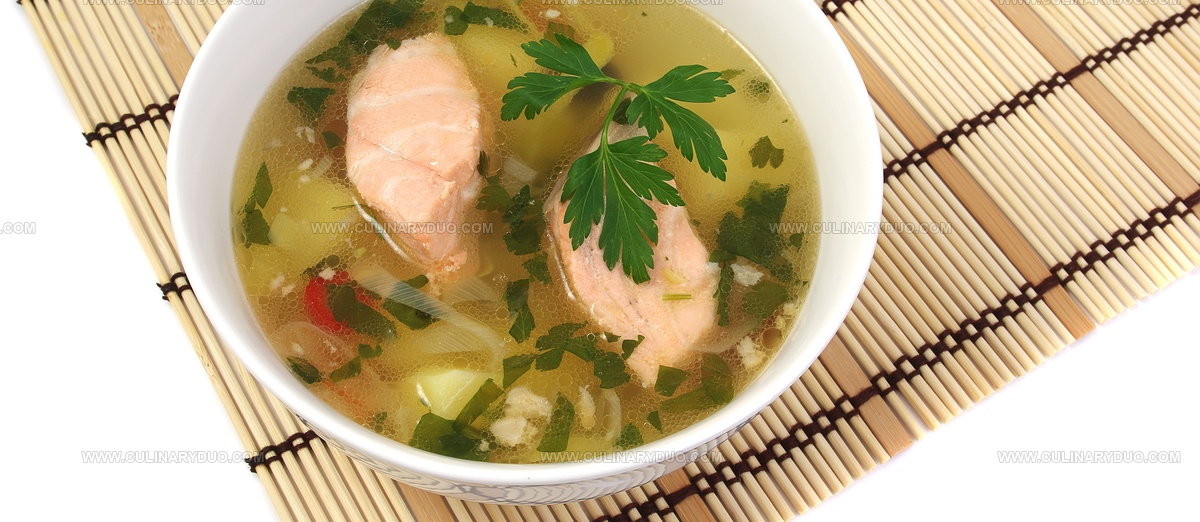
Tweed kettle is a Scottish seafood delicacy featuring poached salmon immersed in a rich, aromatic fish broth.
Scotch fishermen traditionally prepared this hearty dish along riverbanks using freshly caught salmon from local waters.
Highland cooking techniques involve simmering salmon with spring onions, known locally as syboes, and fresh herbs for enhanced flavor.
Salmon gets gently poached and then served with either tender potatoes or earthy mushrooms.
Fishermen often created this meal during long fishing expeditions as a nourishing and quick meal.
Historical records suggest the recipe dates back to 19th-century Scottish coastal communities.
Maritime regions of Scotland continue to celebrate this simple yet flavorful salmon preparation as a classic regional specialty.
Stargazy Pie
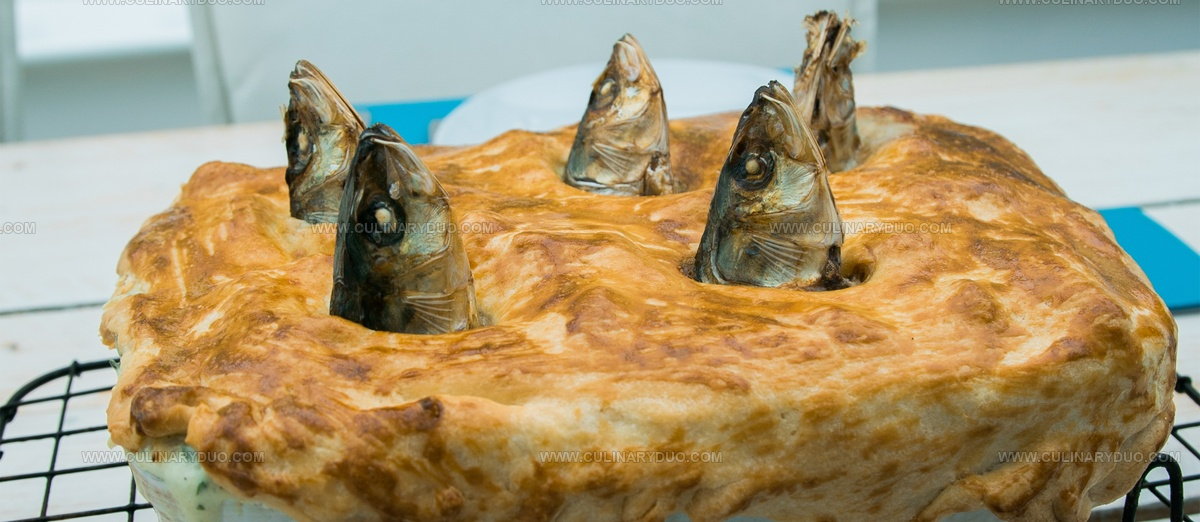
Stargazy pie is a whimsical Cornish seafood pastry where sardines peek through the crust, symbolizing a historical survival meal from Cornwall's fishing communities.
Fishermen created this unique dish during harsh winter seasons to honor successful ocean catches and prevent village starvation.
Traditional preparation involves layering whole sardines, hard-boiled eggs, potatoes, and bacon inside a buttery pastry shell with a mustard-flavored custard.
Tom Bawcock's Eve festival celebrates this eccentric pie's origins in Mousehole village, where the creative fish arrangement preserved crucial nutritional fish oils.
Sardines positioned with heads emerging through the crust give the pie its distinctive "star-gazing" appearance.
Cornwall's maritime history deeply influences this unconventional recipe, representing resilience and resourcefulness of coastal communities.
Local residents continue preparing stargazy pie to remember their maritime heritage and ancestral struggles.
Fish And Fungi
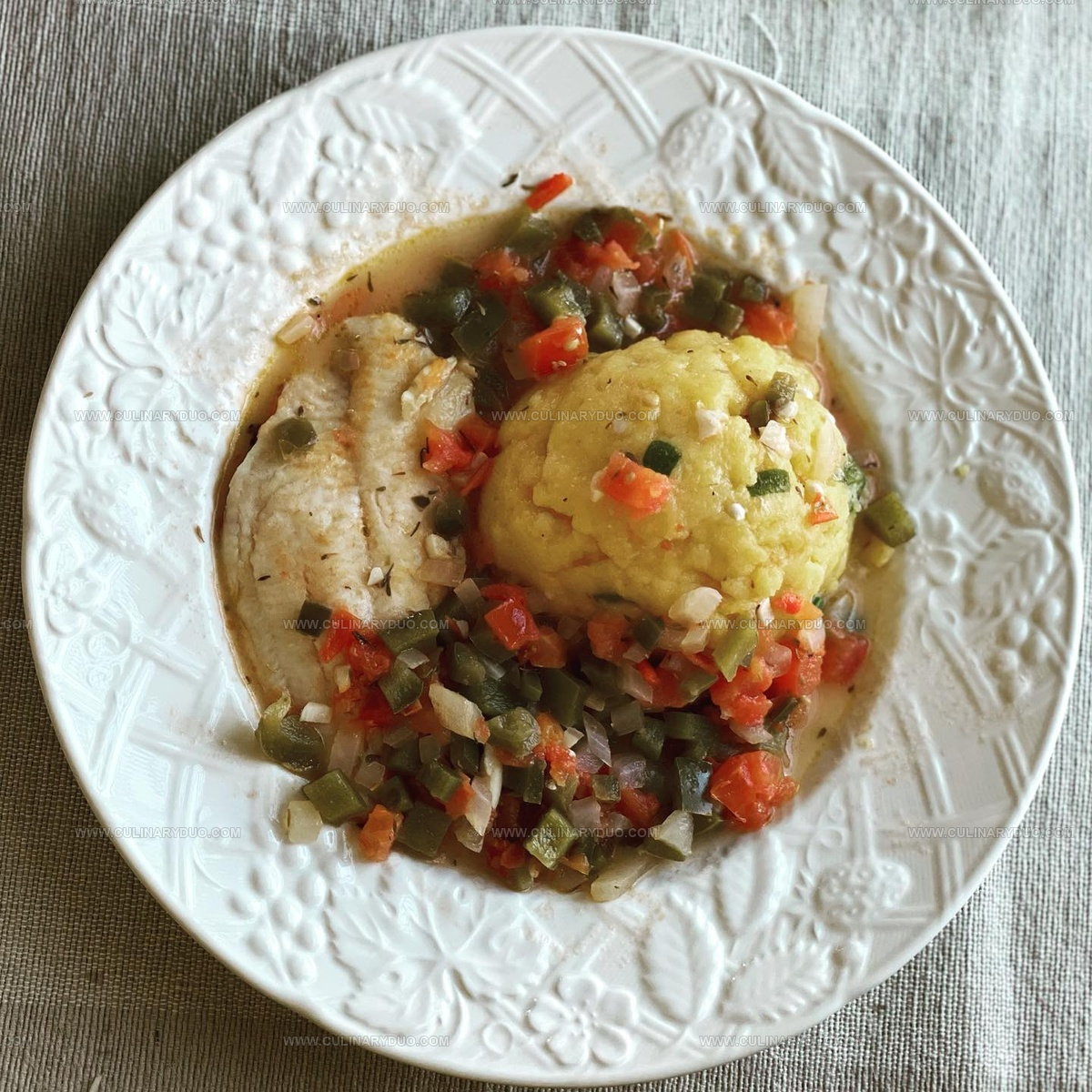
Fish and fungi are a historic Caribbean dish originating from British Virgin Islands slavery times, combining crispy seasoned fish with a unique cornmeal and okra mash.
Slaves traditionally received six quarts of cornmeal and six salted herrings weekly, creating this now-national staple.
Fungi, pronounced "foon-gee", differs from mushrooms and consists of cornmeal and okra cooked into a thick, smooth mixture.
Caribbean cooks season whole fish with Creole-style spices and fry it until golden and crispy.
Sweet onion gravy typically covers the perfectly fried fish, adding rich flavor complexity.
Cornmeal and okra provide a hearty base that complements the fish's crisp texture.
Islanders continue serving fish and fungi as a beloved meal connecting them to their ancestral roots.
Tatties And Herring
Tatties and herring are a rustic Scottish seafood dish celebrating simple yet bold maritime flavors combining salt herring and locally grown potatoes.
Scottish fishermen traditionally prepared this meal as a hearty protein-rich staple for coastal communities.
Fishers would soak herring overnight in cold water to reduce saltiness and soften texture.
Potatoes boil in salted water until tender, then drain and return to heat briefly.
Herring simmers gently until flesh becomes soft and delicate.
Whole potatoes serve with their skins intact, accompanied by a pat of rich butter.
Salt herring provides intense oceanic flavor complemented by creamy potato's mild earthiness.
Highland kitchens have served this unpretentious meal for generations, reflecting Scotland's deep connection to sea and land.
Cabbie Claw
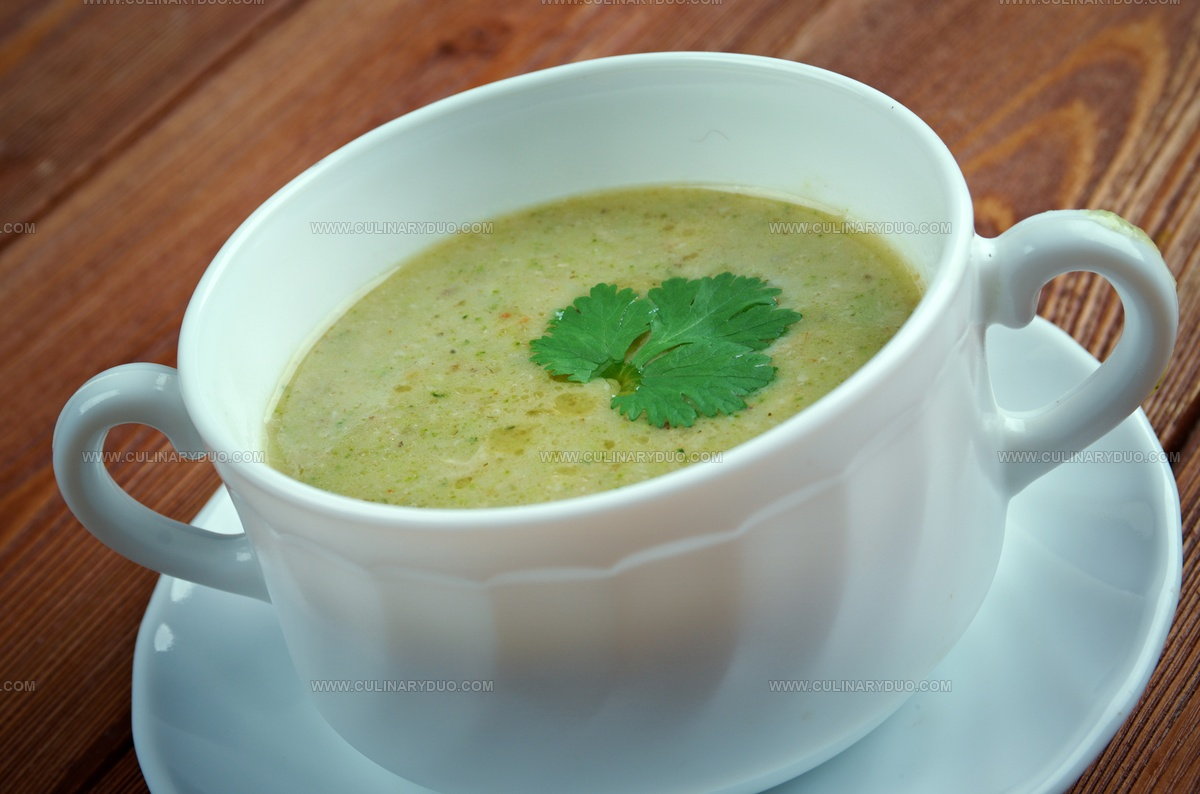
Cabbie claw represents Scottish seafood heritage with its rich cod and white sauce combination.
Fishermen along Scottish coastlines perfected this traditional dish by simmering fresh cod with parsley and horseradish.
Mashed potatoes frame the centerpiece fish in an elegant circular pattern.
Creamy white sauce blends flour, milk, butter, and fish stock into a smooth texture.
Hard-boiled eggs chopped and scattered across the surface add protein and visual interest.
Paprika sprinkled on top provides a subtle warmth and color accent.
Crappit Heids
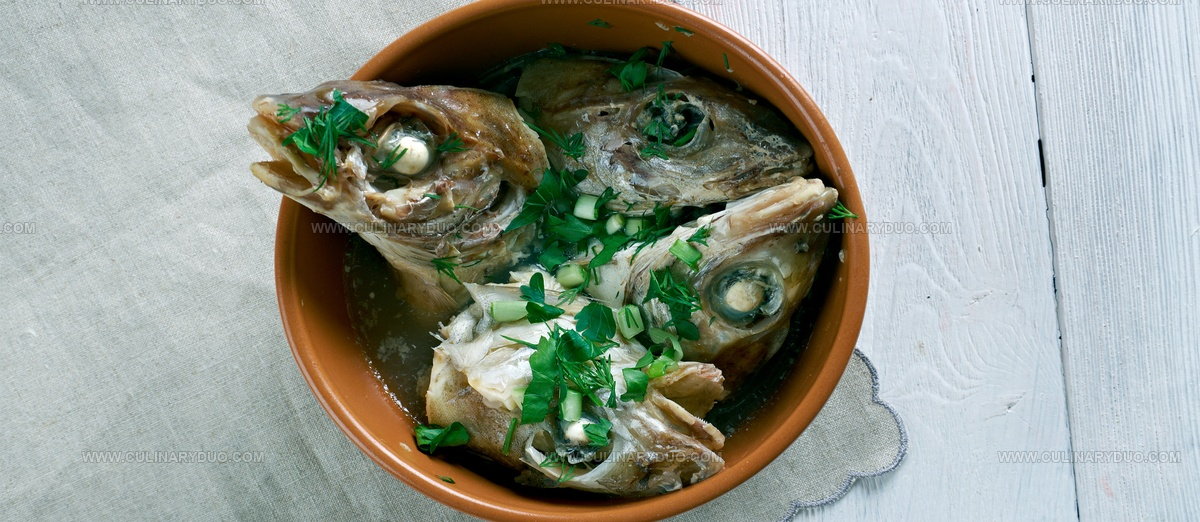
Crappit heids are a distinctive Scottish seafood delicacy featuring whole fish heads meticulously stuffed with a hearty mixture of local ingredients.
Scottish fishermen traditionally prepared this unique dish using haddock or cod heads, filling them with a rich blend of chopped onions, oats, suet, and fish liver.
Boiled in water or fish stock, the stuffed heads emerge as a rustic, protein-packed meal that speaks to Scotland's coastal culinary heritage.
Sailors and coastal communities developed this resourceful recipe to maximize every part of their catch, ensuring nothing went to waste.
Potatoes or seasonal vegetables typically accompany the fish heads, creating a complete and nourishing plate.
Historic fishing communities viewed crappit heids as a practical and flavorful solution for utilizing fish parts often discarded by others.
Skilled preparation requires careful cleaning and precise stuffing techniques passed down through generations.
Maritime regions of Scotland particularly embraced this economical and protein-rich dish as a staple of their seafood cuisine.
Ardglass Potted Herring
Ardglass Potted Herring showcases Northern Ireland's coastal culinary heritage through a simple yet flavorful seafood preparation.
Fresh herrings from Ardglass harbor form the heart of this traditional dish, transformed by basic seasoning and careful baking.
Raw onions, spice berries, salt, and vinegar enhance the fish's natural richness before cooking.
Fishermen generations have perfected this straightforward recipe, allowing the herring's pure flavor to shine.
Crispy baked fish tops create a delightful textural contrast with the tender meat underneath.
Crusty brown bread serves as the perfect accompaniment, helping diners soak up the aromatic cooking juices.
Butter adds a smooth, rich element that complements the herring's robust maritime character.
What Makes British Fish and Chips Unique Around the World?
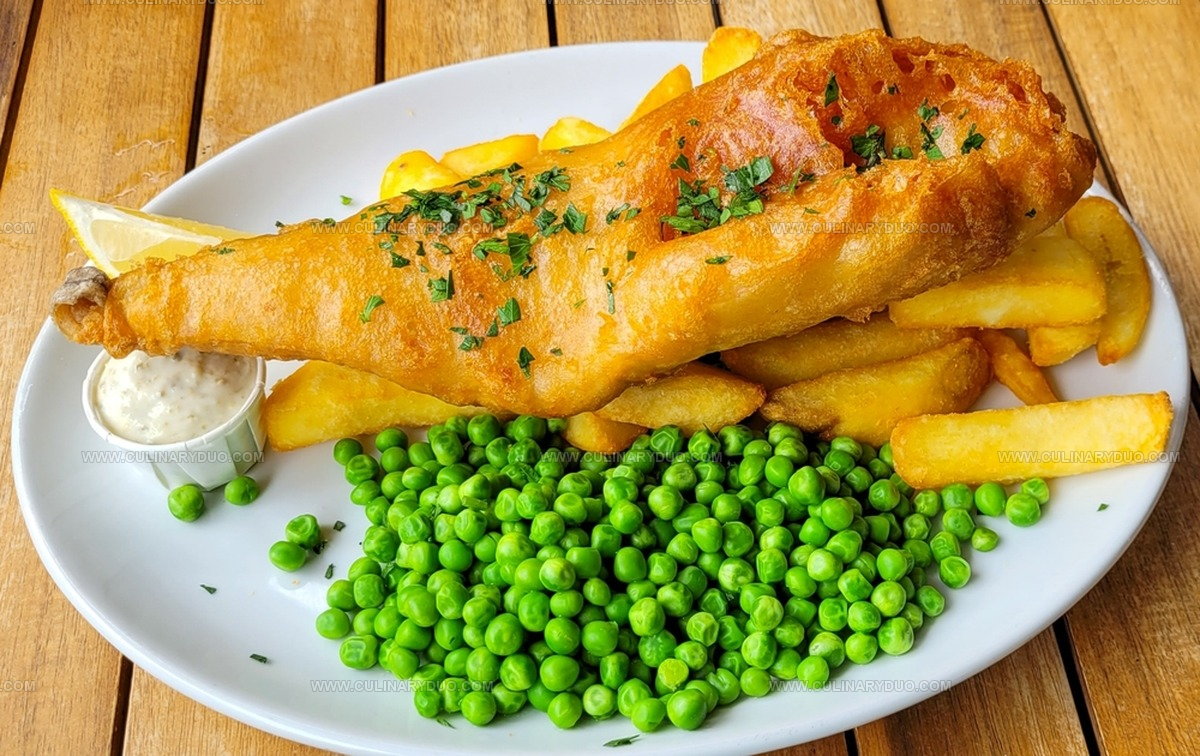
British fish and chips hold a special place in culinary history and culture, standing out globally for several distinctive reasons:
Michael Reyes
Founder & Lead Recipe Developer
Expertise
Education
Santa Fe Community College
Michael’s love for cooking runs deep, rooted in the bold, colorful flavors of his New Mexico upbringing.
After earning his Culinary Arts Certificate from Santa Fe Community College, he spent years sharpening his skills in kitchens that celebrated traditional Southwestern and Latin American dishes.
He believes cooking should feel approachable and fun, never complicated. When he’s not stirring up new recipe ideas, Michael’s out hiking scenic trails, chatting with farmers at local markets, or chasing the perfect sunset shot for inspiration.